
Oil Pulling with Castor Oil: A Practical Guide for Oral Health, Detox & Comfort
Oil pulling with castor oil is an ancient ayurvedic technique that's gaining fresh attention among people looking for natural ways to support oral health. The process is straightforward: you swish oil in your mouth for a short time, spit it out, and move on with your usual routine. This guide covers how to do it safely, what the evidence actually says, and how castor oil compares to coconut oil and sesame oil.
Key Takeaways
- Oil pulling with castor oil takes 1–2 minutes and can support fresher breath, gentle detox, and gum comfort when done regularly.
- Castor oil contains ricinoleic acid, which has antimicrobial and anti-inflammatory properties that may help manage bad breath, gum irritation, and dry mouth.
- Oil pulling is a complementary ritual, not a replacement for brushing, flossing, or professional dental care.
- Castor oil's thicker texture allows shorter oil pulling sessions compared to coconut oil or sesame oil.
- Always use pure, food-grade castor oil, avoid swallowing it, and consult a healthcare professional if you have ongoing dental pain or conditions.
What Is Oil Pulling with Castor Oil?
Oil pulling is an Ayurveda-inspired oral hygiene method where you swish a spoonful of oil around your mouth and between your teeth for a set time, then spit it out. The oil pulling method has roots in classical texts like the Charak Samhita, making it a well-documented practice in traditional health systems.
- Sesame oil and coconut oil are the traditional choices, but castor oil is increasingly chosen for its potent fatty acids and thicker consistency.
- Castor oil is derived from the seeds of the Ricinus communis plant. Ricinus communis seeds contain a toxic enzyme (ricin) that is destroyed during proper oil processing, making the refined oil safe when used correctly.
- The thick texture of castor oil may make it less comfortable for swishing oil at first, but most users adapt within a few sessions.
- Oil pulling with castor oil is an ancient Ayurvedic practice now widely adopted by people seeking natural oral care options.
How Castor Oil Works in Your Mouth
Your mouth hosts bacterial biofilms that stick to teeth, gums, and the tongue. Swishing oil disrupts these films mechanically while delivering beneficial compounds directly to oral tissues.
- Castor oil is rich in ricinoleic acid and other fatty acids that provide antimicrobial, anti-inflammatory, and moisturizing effects relevant to oral health.
- Castor oil helps soften biofilm in the mouth. Its thick, sticky texture clings to plaque and debris, loosening them as you swish.
- Castor oil can inhibit the growth of harmful bacteria in the mouth, which may support fresher breath and less plaque buildup.
- Oil pulling may reduce harmful bacteria in the mouth, but you still need to brush and floss to maintain full oral hygiene.
The Composition of Castor Oil & Why It Matters
Understanding what's inside castor oil explains why it behaves differently from lighter oils in the mouth.
- Castor oil is primarily composed of ricinoleic acid (about 85–95%), a hydroxylated fatty acid, plus smaller amounts of oleic and linoleic fatty acids.
- These fatty acids contribute to antibacterial effects that help manage bacteria linked to bad breath and plaque, while also nourishing and moisturizing oral tissues.
- The hydroxyl group in ricinoleic acid makes castor oil thicker and more "clingy," which is useful for short-duration oil pulling-the oil doesn't thin out and lose contact with your teeth and gums.
- Castor oil's antimicrobial properties help prevent tooth decay by targeting the bacteria responsible for enamel erosion.
Antimicrobial & Anti-Inflammatory Actions
- Ricinoleic acid provides strong natural antibacterial properties. Lab studies, including research on castor oil extract as a root canal irrigant, show activity against common oral pathogens.
- Ricinoleic acid provides strong natural anti-inflammatory properties, which can help calm irritated gums and minor oral discomfort, making the swishing process feel soothing.
- While promising, most evidence is small-scale or indirect. A systematic review of oil pulling RCTs found significant bacterial count reductions for oil pulling generally, but castor oil specifically lacks large human trials.
- Castor oil oil pulling should be seen as supportive-beneficial for daily management, not a cure for infections or advanced gum disease.
Moisturizing Effects for Dry Mouth
- Castor oil can help alleviate dry mouth by moisturizing oral tissues. It forms a light, protective coating that reduces friction and dryness.
- Oil pulling can alleviate dry mouth symptoms, making speaking, swallowing, and daily oral care more comfortable-especially helpful for medication-related dryness or sleeping with your mouth open.
- Pair oil pulling with hydration, sugar-free gum, and dental advice for a well-rounded approach to dry mouth control.

Benefits of Oil Pulling with Castor Oil for Oral Health
The benefits of castor oil oil pulling are real but modest. This is a gentle, natural support method-not a miracle treatment. Castor oil improves gum health and reduces bad breath when used consistently alongside standard oral care.
- Possible benefits include support for fresher breath, gentle plaque and stain removal, and relief of mild gum discomfort.
- Castor oil softens dental plaque and biofilm, helping dislodge food particles from between teeth and along the gumline.
- Castor oil can help reduce the risk of tooth decay over time by lowering the bacterial load in the mouth.
- The emollient nature of castor oil may help keep lips and inner cheeks feeling smoother and less irritated-a difference you'll notice after the first few sessions.
- These benefits depend on consistency (several times per week over weeks) and on maintaining your usual oral hygiene routine.
Bad Breath & Taste Freshness
- Many cases of bad breath come from sulfur-producing bacteria on the tongue and between teeth.
- Oil pulling can freshen breath effectively by mechanically lifting bacteria and debris while leveraging castor oil works as an antimicrobial.
- A simple morning method: tongue scraping → castor oil oil pull (1–2 minutes) → rinse → brush with baking soda or fluoride toothpaste. This layered approach delivers noticeably fresher breath through the day.
- Persistent or severe halitosis still warrants a dental or medical evaluation to rule out underlying issues. Consult your doctor if symptoms don't improve.
Gum Comfort & Minor Pain Relief
- Castor oil's anti-inflammatory effects can soothe irritated gums, providing temporary pain relief from minor tenderness or sensitivity.
- Oil pulling may support gum health and reduce inflammation. Users with early gum irritation might feel less soreness after a few days of consistent practice.
- Castor oil may "soothe" rather than "cure." Strong or ongoing pain, bleeding, or swelling requires prompt professional care-don't rest on oil pulling alone.
Dry Mouth, Coated Tongue & Oral Cleanliness
- A coated tongue and sticky-feeling mouth on waking often reflect overnight biofilm buildup and reduced saliva flow.
- Use castor oil before brushing your teeth. A short morning oil pull can help loosen this coating, making tongue scraping and brushing feel more effective.
- People with mild dry mouth may notice smoother-feeling oral tissues for a few hours after oil pulling due to castor oil's moisturizing layer. This is helpful for comfort and cleanliness, not a cure for clinically severe xerostomia.
How to Oil Pull with Castor Oil Step by Step
Castor oil's thickness allows shorter, more manageable sessions than the classic 15–20 minutes used with lighter oils. Oil pulling with castor oil takes 1–2 minutes to start and can build to 5 minutes as you get comfortable.
- Use 1 teaspoon to 1 tablespoon of high-quality, food-grade castor oil.
- Swish the oil in your mouth gently, pushing it between teeth and along gums to remove debris.
- Start with 1–2 minutes and gradually extend to 5 minutes.
- Spit into a tissue or trash-not the sink (the thick oil can clog pipes).
- Rinse your mouth with warm water, then brush and floss as usual.
Oil pulling should be done daily for significant benefits. Consistency matters more than session length.
Morning Ritual: A Sample Routine
- Wake up → scrape tongue → oil pull with castor oil → spit and rinse → brush and floss.
- This order helps remove biofilm and toxins that accumulate overnight before they're reabsorbed or re-ingested during your morning meal.
- Oil pulling should be done 4–7 mornings a week for noticeable support to breath freshness and oral comfort.
- Total time added to your morning routine: roughly 5–10 minutes at minimum, including the rest of your oral care steps.
How to Know If Oil Pulling Is Helping You
- Within several days, common signs include fresher breath, a cleaner-feeling tongue, less "furry" sensation on teeth, and slightly calmer gums.
- Some users report related benefits like improved digestion comfort or clearer skin, but these are subjective experiences-your body may respond differently.
- Track changes over 2–3 weeks of consistent oil pulling before judging results. Discontinue if you experience irritation or worsening symptoms.
- Visible swelling, bleeding, or persistent pain should be evaluated by a dentist regardless of oil pulling results.
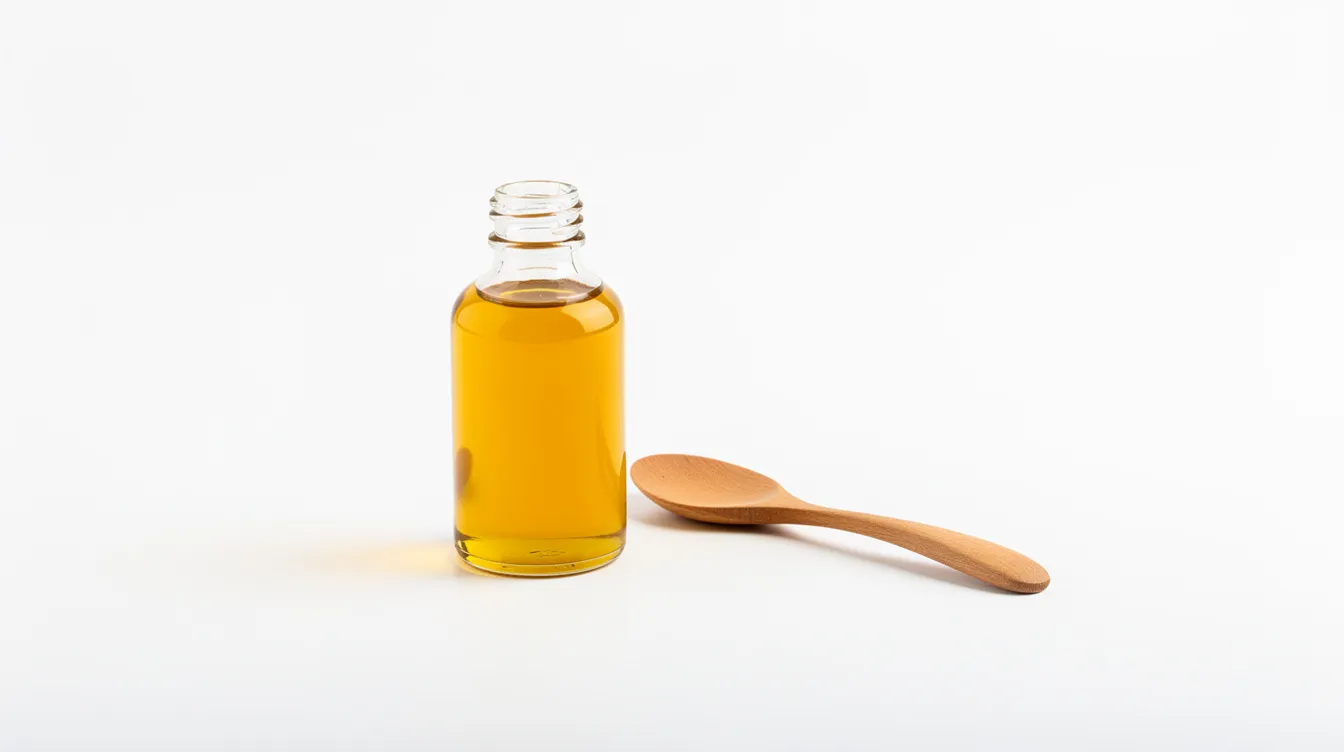
Castor Oil vs. Coconut Oil and Other Oils for Oil Pulling
Coconut oil, sesame oil, and sunflower oil are widely used for oil pulling. Castor oil is a newer choice with distinct properties that create a real difference in practice.
- Coconut oil is popular for its pleasant taste and lauric-acid-driven antimicrobial effects, supported by multiple clinical trials.
- Castor oil is thicker and dominated by ricinoleic acid, allowing shorter swishing times. It may stick to biofilms more effectively, making it attractive for busy routines.
- Sesame oil has the deepest roots in ayurveda and solid traditional evidence.
- Experiment (with dental guidance) to see which oil and schedule feels most sustainable. The oil you'll regularly use is the best one for you.
Why the Quality of Castor Oil Matters
- Use cold-pressed, hexane-free, food-grade castor oil. Some cosmetic castor oils used for hair or skincare contain additives, fragrances, or solvent residues not appropriate for oil pulling.
- Check for clear labeling, batch testing for heavy metals, and transparent sourcing.
- Quality control ensures you're not introducing new contaminants while trying to support detox and healing in your mouth.
Safety Considerations, Side Effects & Who Should Avoid It
Castor oil is generally safe for oral use when swished and spat out, but there are important caveats to deal with before you start.
- Castor oil can cause allergic reactions in some individuals. Do a patch test on your inner arm or lip before your first full session, and start with a very short swish (30–60 seconds).
- Accidental ingestion of castor oil may cause digestive upset. Deliberately swallowing larger amounts triggers a laxative effect-always spit it out safely.
- Castor oil should not be used during pregnancy without medical advice, given its traditional use believed to stimulate uterine contractions when ingested.
- People with complex dental or gum disease, children who can't reliably spit, and anyone with known castor oil sensitivity should speak with a healthcare professional first.
- Oil pulling is not a substitute for dental checkups, cleanings, fluoride toothpaste, or treatment of cavities and infections.
Adding Castor Oil Pulling to Your Daily Oral Hygiene Routine
The goal is consistency without overwhelm. Stick to a schedule that fits your life and let the habit contribute to your oral health over time.
- Start with 3 mornings per week for 1–2 minutes. Increase to most days if it feels good and easy.
- Full routine example: tongue scraping → castor oil oil pull → spit and rinse → brush with fluoride toothpaste → floss → optional alcohol-free mouthwash.
- Evening oil pulling is also possible (e.g., after sleeping arrangements are set and the last meal is done), but never replace nighttime brushing and flossing.
- Pair oil pulling with an already established habit-like waiting for coffee to brew or morning journaling-to help it stick as a post in your daily growth toward better health.
A Simple 3-Day Castor Oil Pulling Reset
- Day 1–3: Practice castor oil oil pulling each morning before any food or drink.
- Track daily: Note your morning breath, tongue appearance, gum tenderness, and how clean your teeth feel.
- Evaluate: After 3 days, decide whether the ritual feels beneficial and sustainable enough to continue longer-term.
Meaningful oral health improvements typically require weeks to months of consistent care. A 3-day experiment gives you enough tips and personal data to commit-or adjust your approach.

Frequently Asked Questions (FAQ)
These questions cover practical details and real-world concerns not fully addressed above. Each answer is evidence-informed and emphasizes that oil pulling is an adjunct to standard oral health practices.
How often should I do oil pulling with castor oil for best results?
Most people aiming for oral health support and fresher breath benefit from 4–7 sessions per week, usually in the morning before eating or brushing. Beginners should start at 2–3 times per week to test comfort and gradually increase. Extremely long or frequent sessions are unnecessary given castor oil's thickness and potency-the usual 1–5 minutes is plenty.
Can I do oil pulling with castor oil if I wear braces, crowns, or dental implants?
Oil pulling is generally considered safe with dental work, but anyone with braces, implants, or extensive restorations should ask their dentist first. Use gentle swishing rather than aggressive, forceful motion to avoid stressing wires or recent work. Properly placed crowns or implants should not be affected, but oil pulling should never replace professional maintenance.
Is castor oil safe for oil pulling in children or during pregnancy?
Children who might swallow the oil should avoid oil pulling or only do it under close adult supervision with pediatric dental guidance. Since castor oil acts as a laxative if ingested, caution is especially important for young children. Pregnant individuals should consult their healthcare professional before starting, given castor oil's traditional association with labor induction when ingested.
Can oil pulling with castor oil whiten teeth?
Castor oil pulling may gradually help lift superficial stains and reduce plaque, which can make teeth appear slightly brighter over time. It does not change the natural color of enamel like professional bleaching treatments, so keep expectations modest. Combine oil pulling with regular dental cleanings and good brushing technique for the most noticeable cosmetic results.
Should I use castor oil or coconut oil for oil pulling if my main concern is bad breath?
Both castor oil and coconut oil have antimicrobial properties and can support better breath when used consistently. Castor oil may give faster results with shorter swishing times due to its thicker, more penetrating texture, while coconut has a milder taste that some people prefer. Choose the oil you're most likely to use regularly-consistency matters more than the specific oil in most cases.