
Best Organic Castor Oil in Glass Bottle for Nourished Hair and Skin
Organic Castor Oil in Dark Glass Bottle (16 fl oz): Benefits, Uses, and Buyer Guide
Key Takeaways
- This is an organic, cold pressed, hexane free castor oil in a 16 fl oz dark glass bottle, making it a versatile pick for hair, lashes, brows, and dry skin routines.
- The dark glass bottle blocks UV light and protects oil quality far longer than plastic packaging, helping preserve the oil's ricinoleic acid, scent, and thick consistency.
- The oil is 100% pure castor oil derived from Ricinus communis seeds, cruelty free, and suitable for most skin types and hair types.
- You can pair it with other natural oils like coconut oil, jojoba, or sweet almond to create custom beauty blends for scalp, body, and face.
- This guide covers the real benefits, step-by-step usage, packaging advantages, storage tips, and safety considerations so you can get the most out of every bottle.
Introduction: Why Choose Organic Castor Oil in a Glass Bottle?
Castor oil has been a staple in traditional wellness and beauty for generations, prized for its rich, thick texture and high concentration of beneficial fatty acids. Since around 2020, consumer demand for transparency and cleaner ingredients has pushed organic, cold pressed options packaged in glass bottles to become the best castor oil standard in the natural beauty space.
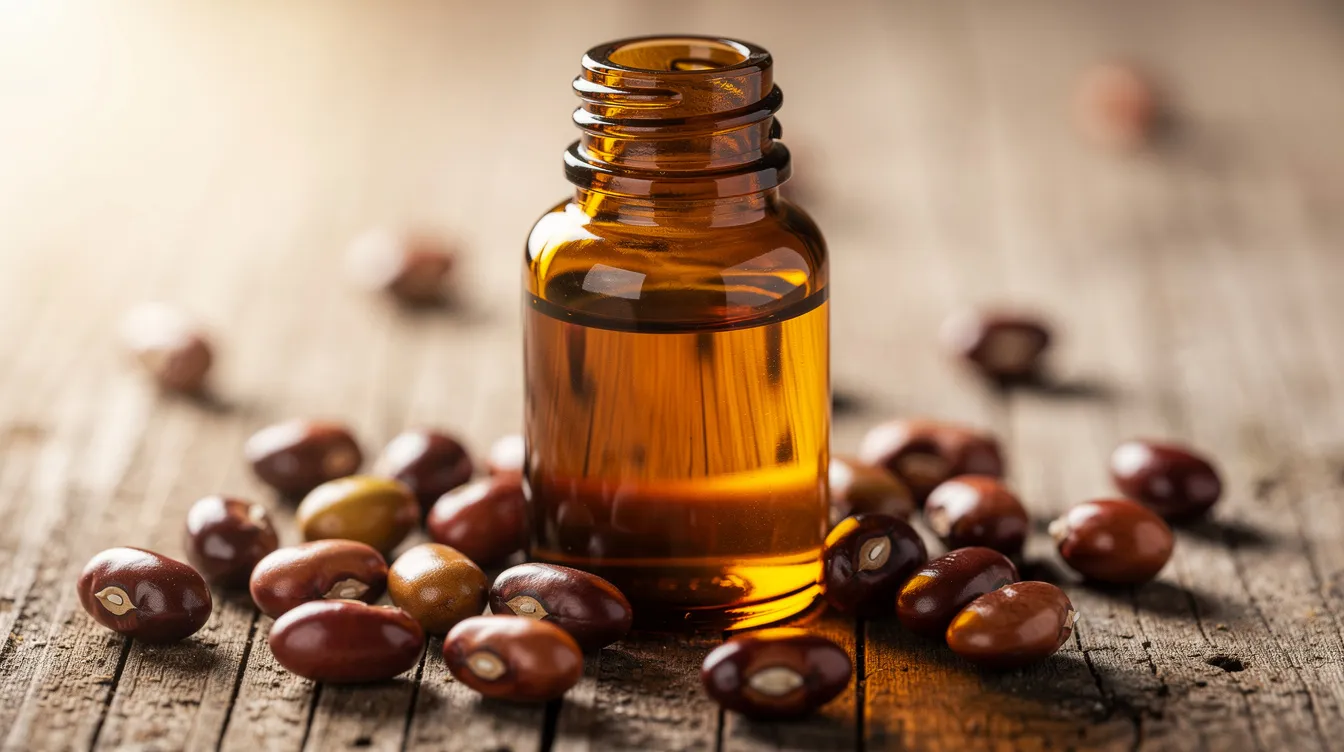
This article focuses specifically on 16 fl oz organic, hexane free castor oil packaged in a dark glass bottle rather than plastic. Dark glass (typically amber or dark brown) shields the oil from UV light, helping maintain oil quality, natural aroma, and viscosity over the full shelf life. Organic castor oil is packaged in dark glass to preserve quality from production to your final drop.
Many customers now look for USDA organic, cruelty free, cold pressed castor oil in glass as a cleaner, more sustainable choice for skin care, hair care, and daily wellness routines. If you're considering a one time purchase to test the waters or you're ready to make castor oil a permanent fixture in your cabinet, understanding what to look for matters.
What Makes This Castor Oil "Organic, Cold Pressed & Hexane Free"
Not all castor oils are processed the same way, and the differences in extraction and farming directly affect purity, nutrient retention, and performance on your skin and hair. Here is what each label claim actually means.
Organic
Organic castor oil comes from Ricinus communis seeds grown without synthetic pesticides, fertilizers, or GMOs. Under USDA organic standards, products labeled organic must contain at least 95% organic ingredients. This matters because the oil you're applying to your scalp, face, or body should be as free from chemical residues as possible.
Cold Pressed
Cold pressed means the oil is mechanically extracted at low temperatures instead of being heated or chemically processed. This preserves sensitive compounds, including ricinoleic acid (which makes up roughly 90% of the oil's fatty acid profile), Vitamin E, and polyphenols. Research suggests cold-pressed oil retains 90% or more of its ricinoleic acid content, while hexane-extracted alternatives may retain only 70–80%.
Hexane Free
Hexane is a synthetic solvent commonly used in conventional oil extraction. Products labeled hexane free guarantee that no chemical solvents touched the oil during processing. Organic castor oil must be cold-pressed and hexane-free to meet certified organic handling requirements. This is especially important for topical use on sensitive or dry skin, where residual solvents are the last thing you want.
Unrefined, cold pressed castor oil typically has a pale yellow color and a mild, natural scent. Quality castor oil has a rich, thick consistency and minimal odor. If it smells harsh or looks unnaturally clear, that can signal heavy processing or additives.
Why a Dark Glass Bottle Matters
Packaging is one of the most overlooked factors when buying any natural oil. A dark glass bottle is not just an aesthetic upgrade-it's a functional decision that directly impacts how long your oil stays fresh and effective.
Light Protection
Light exposure accelerates the oxidation of natural oils, breaking down the fatty acids and beneficial compounds you're paying for. Dark glass (amber or cobalt) can block 90–95% of UV light, which substantially reduces photo-oxidation. Some estimates suggest this packaging alone improves shelf life by 30–50% compared with clear bottles. Glass bottles protect castor oil from light degradation in a way that plastic simply cannot match. Amber glass bottles are preferred for storing oils because of this superior UV-blocking ability.
Non-Reactive Material
Glass provides a stable, non-reactive container for oils. Unlike many plastics, glass won't leach plastic chemicals into oils, even when stored in warm environments like bathrooms. Plastic can cause unwanted chemicals to leach into oils over time, and glass prevents potential microplastics from contaminating oils. Proper packaging preserves the natural properties of oils from first use to last.
Sustainability
Glass is infinitely recyclable and can be repurposed-for example, you might use an empty bottle to store DIY blends of castor oil and coconut oil. Glass is eco-friendly compared to plastic, reducing environmental waste. Glass bottles are recyclable and environmentally friendly, making them a smarter long-term choice for consumers who care about their footprint.
Size and Handling
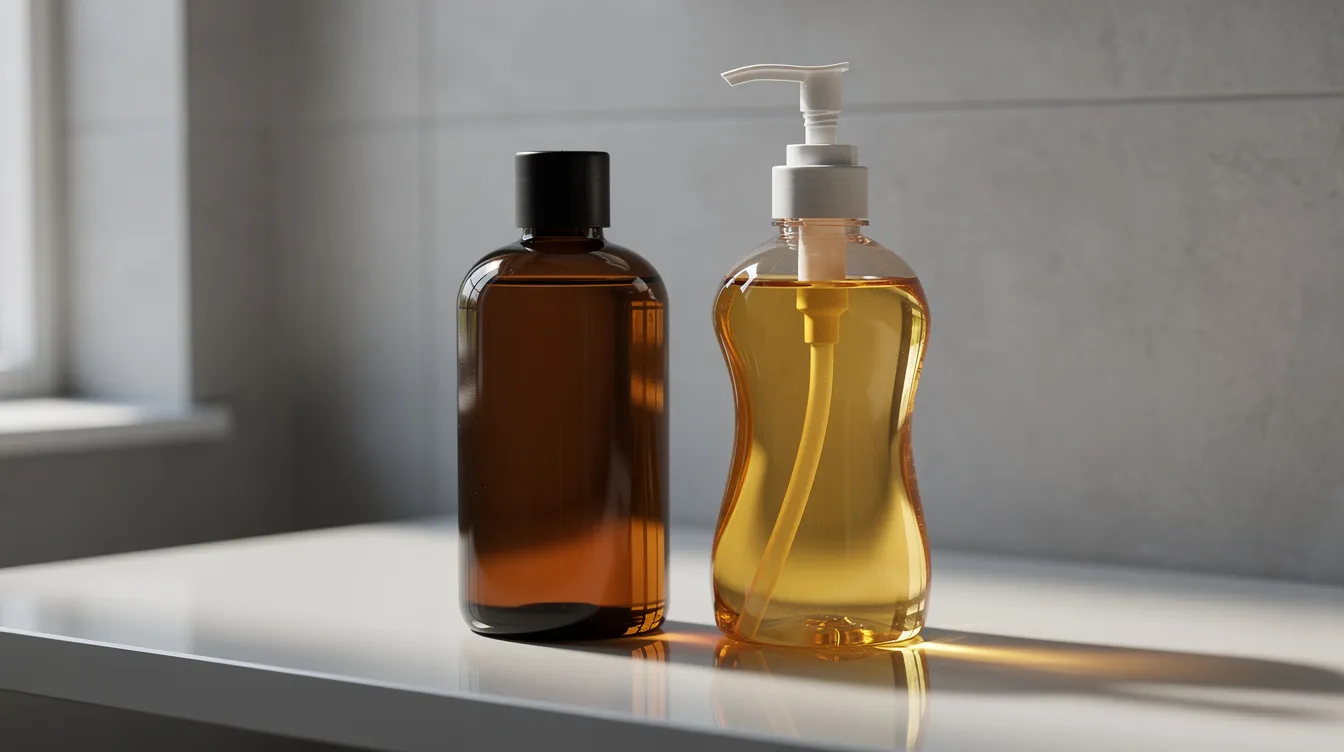
A 16 fl oz glass bottle balances value with practicality. It's large enough for regular hair and skin routines yet small enough that most consumers will finish it before degradation becomes a concern. Proper packaging also prevents spills and mess during use, especially bottles with secure caps or pump dispensers.
Benefits for Hair, Lashes, Brows, and Skin
Organic, cold pressed castor oil has been used for decades in beauty routines, especially for dry hair and dry skin. Here's where the science and real-world results converge.
Hair Care
Castor oil promotes hair growth and thickness when applied consistently. The oil can be massaged into the scalp and along hair lengths to support softness, shine, and the appearance of fuller looking hair. A 2025 clinical trial found that a rosemary-castor oil blend increased hair growth rate by approximately 47.6% over 90 days, improved thickness by about 66%, and boosted density by roughly 32%. However, those results came from a formulated blend-not pure castor oil alone. Pure organic castor oil is best understood as a nourishing treatment for scalp health and hair quality rather than a guaranteed growth accelerator.
Lashes and Brows
Organic castor oil enhances the appearance of brows and lashes. Many users apply a drop along the lash line or through brows at night to promote the look of fuller, conditioned eyelashes and brows. The oil's thick consistency helps it cling to individual hairs, delivering sustained moisture overnight.
Skin and Body
Ricinoleic acid provides anti-inflammatory effects that may help reduce pain and calm irritated skin. Organic castor oil has antimicrobial properties beneficial for skin health, which can help manage acne-prone or inflamed areas. At its core, the oil moisturizes and softens skin and hair thanks to its potent humectant and occlusive properties.
Castor oil is effective for dry skin treatment. It can be used as a natural emollient for skin on elbows, heels, cuticles, and rough, dry patches. As a deep hydration tool, it reinforces the skin barrier and slows moisture loss, functioning as both a skin moisturizer and a body oil.
The thick texture also lets it double as a massage oil when diluted with lighter oils like coconut oil or jojoba, making it useful for full-body moisturizing routines.
Quick Benefits Overview
| Area | Primary Benefit | Best For |
|---|---|---|
| Scalp & hair | Softness, shine, thickness | Dry, coarse, or thinning hair |
| Lashes & brows | Conditioning, fuller appearance | Sparse or brittle lashes |
| Face | Moisturizing, anti-inflammatory | Dry or combination skin |
| Body | Deep hydration, emollient | Rough patches, elbows, heels |
| Nails | Cuticle softening | Dry, cracked cuticles |
How to Use Organic Castor Oil Safely and Effectively
Castor oil is potent and thick, so a small amount goes a long way. Before incorporating it into any routine, do a patch test: apply a drop to the inside of your wrist or behind your ear, wait 24 hours, and check for redness or irritation.
Hair and Scalp Routine
- Apply a small amount of castor oil to your scalp and hair roots.
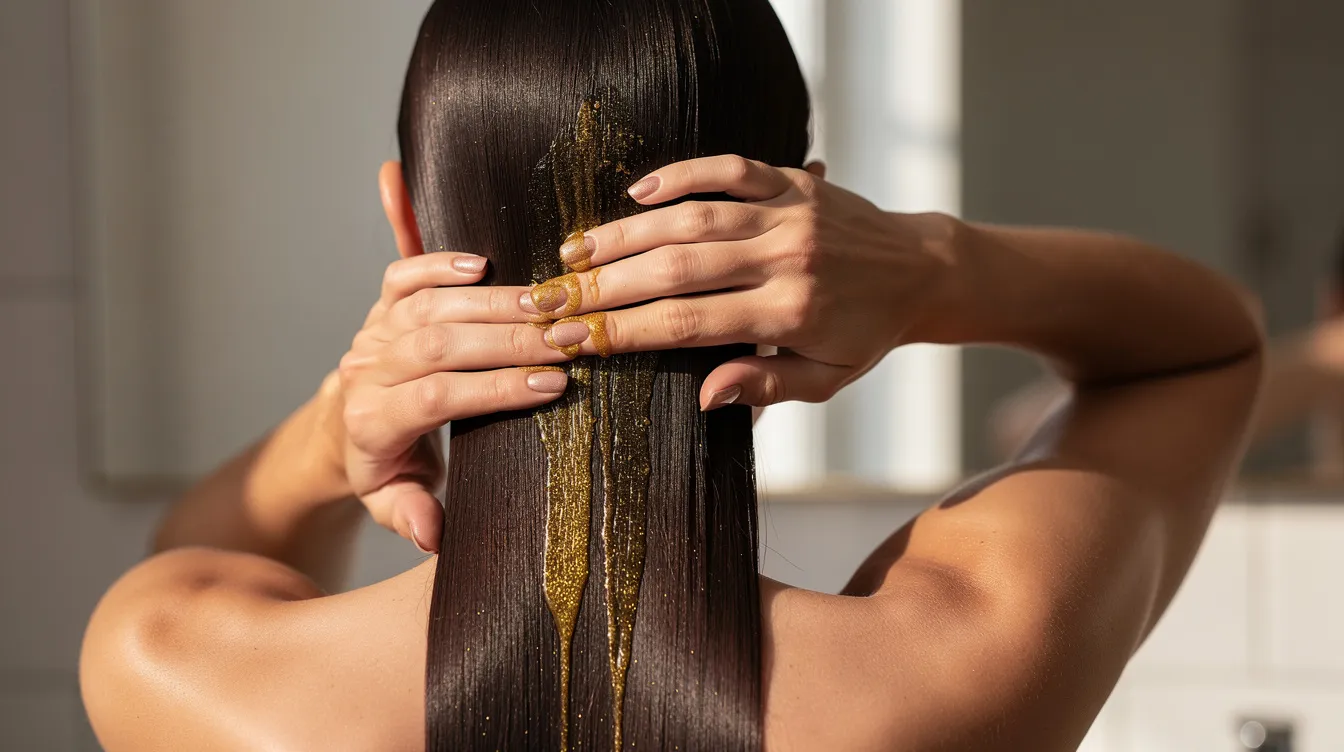
- Massage gently with your fingertips for 2–3 minutes to stimulate hair follicles.
- Leave on for 20–60 minutes, or overnight with a towel to protect your pillow.
- Shampoo thoroughly-you may need two washes to remove the oil completely due to its thick consistency.
Apply castor oil to hair roots and scalp for at least 20 minutes to allow absorption before washing.
For a lighter approach, mix a few drops of castor oil with shampoo for soft hair without the full mask commitment.
Lash and Brow Application
- Use a clean spoolie or cotton swab.
- Apply a thin layer to lashes and brows at night.
- Avoid contact with eyes directly. If oil gets into eyes, rinse thoroughly with water.
- Consistency matters-most users see visible conditioning after 4–6 weeks of nightly use.
Dry Skin Use
Warm a few drops between your palms and press into clean, damp skin. Layer over a lighter facial oil or moisturizer if you find straight castor oil too heavy. This works well as a nighttime nourishing treatment for the face and a daily body oil for chronically dry areas.
Castor oil can be used as a massage oil for dry skin across the body, especially when blended with a lighter carrier.
Wellness Packs
Castor oil packs are used to soothe discomfort in the abdomen or joints. Soak a clean cloth with oil, place it over the desired area, and cover with a towel or wrap. Use castor oil packs for general wellness benefits as part of a broader wellness routine, though scientific support for deep therapeutic claims remains limited. Follow practitioner advice for timing and frequency.
Nails and Toenails
For nails, massage a drop into each cuticle bed nightly. You can also soak a cotton ball with castor oil for toenail fungus treatment, applying it to the affected nail and covering with a bandage overnight.
This oil is for external use only. It is not intended to diagnose, treat, cure, or prevent any disease. It is not food.
Pairing Castor Oil with Coconut Oil and Other Natural Oils
Blending castor oil with lighter oils can make application easier and tailor the benefits to your specific needs.
Why Coconut Oil Works Well
Coconut oil has a lighter texture, a pleasant scent, and is supportive for dry hair ends and body skin. Together, castor oil and coconut oil create a blend that is easier to spread, absorbs more readily, and smells more appealing than pure castor alone.
Simple Blend Recipes
- Hair mask: Mix a 50/50 blend of castor oil and coconut oil in a small glass bottle. Apply to scalp and lengths, leave on 30 minutes, then shampoo.
- Body oil: Combine 1 part castor oil with 3 parts coconut oil or sweet almond oil for a spreadable body oil that provides deep hydration without excessive heaviness.
- Facial oil: Use 1 part castor oil to 3 parts jojoba for a lighter facial blend suitable for more skin types.
Other Compatible Oils
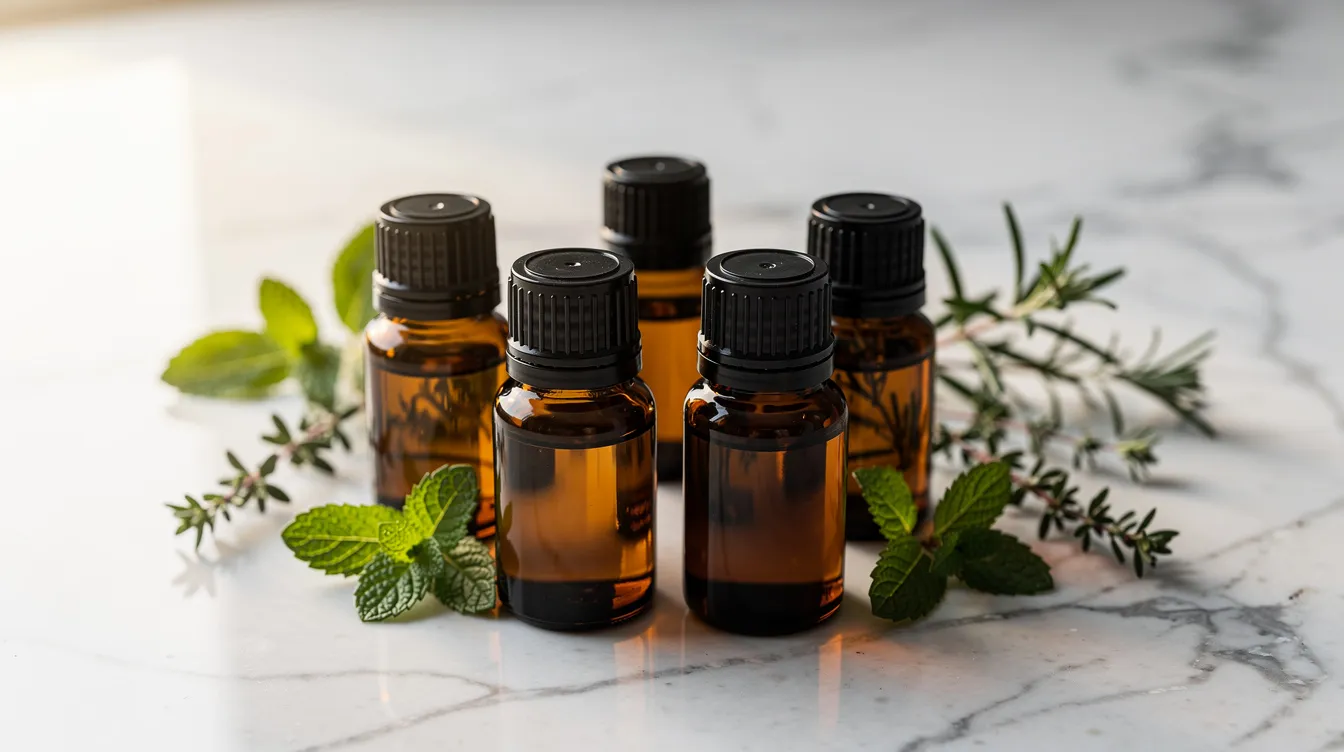
Jojoba and sweet almond oil are excellent partners for facial use, helping balance castor oil's thickness. You can also add a few drops of essential oils like lavender or rosemary for added scent and potential scalp benefits.
All blends should still be stored in dark glass and kept in a cool, dry place to protect from oxidation.
Choosing the Best Castor Oil in a Glass Bottle
Shopping for the best castor oil means reading labels carefully and knowing which details actually matter for performance and safety.
What to Look for on the Label
- "100% pure castor oil" - no fillers, no additives
- "Organic" - certified by USDA or equivalent body
- "Cold pressed" - mechanical extraction at low temperatures
- "Hexane free" - no chemical solvents
- "Cruelty free" or "not tested on animals" - verified ethical standards
Packaging Details
Look for "dark glass bottle" on the product listing. An amber glass bottle or glass amber bottle signals that the brand prioritizes oil quality and shelf life. Glass packaging is more premium than plastic alternatives, and a secure cap, pump, or dropper helps prevent spills and minimizes air exposure.
Size Recommendation
A 16 fl oz bottle is a versatile size that works for regular hair and skin routines without going rancid before you can use it all. If you use castor oil only for lashes and brows, a smaller bottle may be more practical. If you use it as a body oil or massage oil, 16 fl oz gives you solid value.
Check Reviews
Before buying, check recent customer reviews for comments on scent, thick consistency, and results for dry skin or hair care. Look for feedback from people with similar skin types or hair concerns to yours. Pay attention to mentions of the brand's packaging quality and whether the bottle arrived intact.
Storage, Shelf Life, and Safety Tips
Proper storage helps maintain the quality of organic castor oil from first opening until the last drop.
Storage Best Practices
- Keep the dark glass bottle tightly closed after every use.
- Store in a cool, dry place away from direct sunlight-a cupboard or drawer is ideal. Avoid windowsills and humid bathrooms.
- Temperature should stay under 25°C (77°F) for best results.
Shelf Life
| Condition | Expected Shelf Life |
|---|---|
| Unopened, dark glass, cool storage | 12–24 months (up to 3 years in ideal conditions) |
| Opened, proper storage | 6–12 months |
| Exposed to heat/light/air | 3–6 months before degradation |
Check for changes in smell (rancid or sour instead of mild), color darkening or cloudiness, unusual texture (gummy or overly sticky), or sediment that won't remix. Any of these signs mean it's time to replace your stock.
Safety Notes
- For external use only. Avoid contact with eyes, mucous membranes, and broken or irritated skin.
- Always patch test before applying to the face or scalp.
- Discontinue use and consult a healthcare professional if redness, itching, or persistent irritation occurs.
- Keep out of reach of children.
- This product is not intended to diagnose, treat, cure, or prevent any disease.
Frequently Asked Questions
These questions cover practical details and common concerns to help you get the most from your castor oil.
Can I use organic castor oil on my face if I have combination or dry skin?
Yes, castor oil can be used on the face in small amounts, especially on dry areas like the cheeks, jawline, or around the mouth. Because of its thick consistency, it works best when blended with a lighter oil such as jojoba at a 1:3 ratio. Test it on a small patch of facial skin first and use it mainly at night as a nourishing treatment rather than a daytime moisturizer. Avoid the immediate eye area to reduce the risk of dark circles or puffiness from product migration, and stop use if pores seem clogged or irritation appears.
How often should I apply castor oil to my hair and scalp?
Start with 1–2 times per week as a pre-shampoo treatment. This frequency works well for most hair types. Very dry or tightly coiled hair might benefit from more frequent use, while oily scalps may prefer once a week or less. The key is thorough rinsing and shampooing after each application to prevent buildup on the scalp, which can lead to greasiness or irritation over time. Applying to the roots and lengths gives you the most benefit per session.
Is castor oil in a glass bottle better than in plastic?
The oil itself can be identical in composition, but dark glass offers measurably better protection from light and is non-reactive, which helps preserve freshness and the oil's beneficial compounds over months of use. Glass also eliminates the risk of microplastics or plasticizer contamination. From an environmental perspective, glass is infinitely recyclable, reducing long-term waste. Many premium, organic, cold pressed castor oils now choose dark glass as both a quality signal and a functional advantage.
Can I use organic castor oil if I am vegan or looking for cruelty free products?
Castor oil is plant-derived and naturally vegan, as it comes from Ricinus communis seeds with no animal-derived ingredients. That said, buyers should still look for "cruelty free" language or a recognized logo (like Leaping Bunny) to confirm the product was not tested on animals at any stage. Many modern organic castor oils in dark glass bottles clearly indicate vegan and cruelty free status on the label or product listing.
Does castor oil need to be refrigerated after opening?
Refrigeration is usually not required. Cool, dry cupboard storage is typically sufficient for cold pressed castor oil in dark glass. Refrigeration can extend shelf life slightly (potentially up to 3 years), but it also increases viscosity, making the already thick oil harder to pour and apply. Avoid storing near heat sources, radiators, or in direct sunlight. Follow any specific storage instructions and expiration dates printed on your individual bottle, and keep it in a dry place with the cap sealed tightly.